
Broker Check
Mike Giudici, CFP®, MBA
Choreo, LLC Senior Director, Wealth Management
http://choreoadvisors.com 563-279-0714

As a wealth manager, Mike strives to simplify the complex world of money to help clients make better decisions and lead joyful lives. With a passion for learning and teaching, he works with each client to develop unique financial plans that serve as road maps for investment, balance sheet and cashflow decisions. Mike’s attention to detail helps ensure that all aspects of the financial plan are implemented and monitored on an ongoing basis. His specialties include wealth building, retirement planning, estate transfer, college education planning and tax planning.

Mike has more than 14 years of experience in advising business owners, high net worth individuals and their families on how to meet their financial goals. 

PROFESSIONAL AFFILIATIONS AND DESIGNATIONS

CFP®
Financial Planning Association, Eastern Iowa chapter
Quad Cities Area Estate Planning Council

EDUCATION

Bachelor of Arts; finance, economics and philosophy; Saint Ambrose University
Master of Business Administration, finance concentration, University of Iowa

Why Everyone Needs an Estate Strategy

Estate
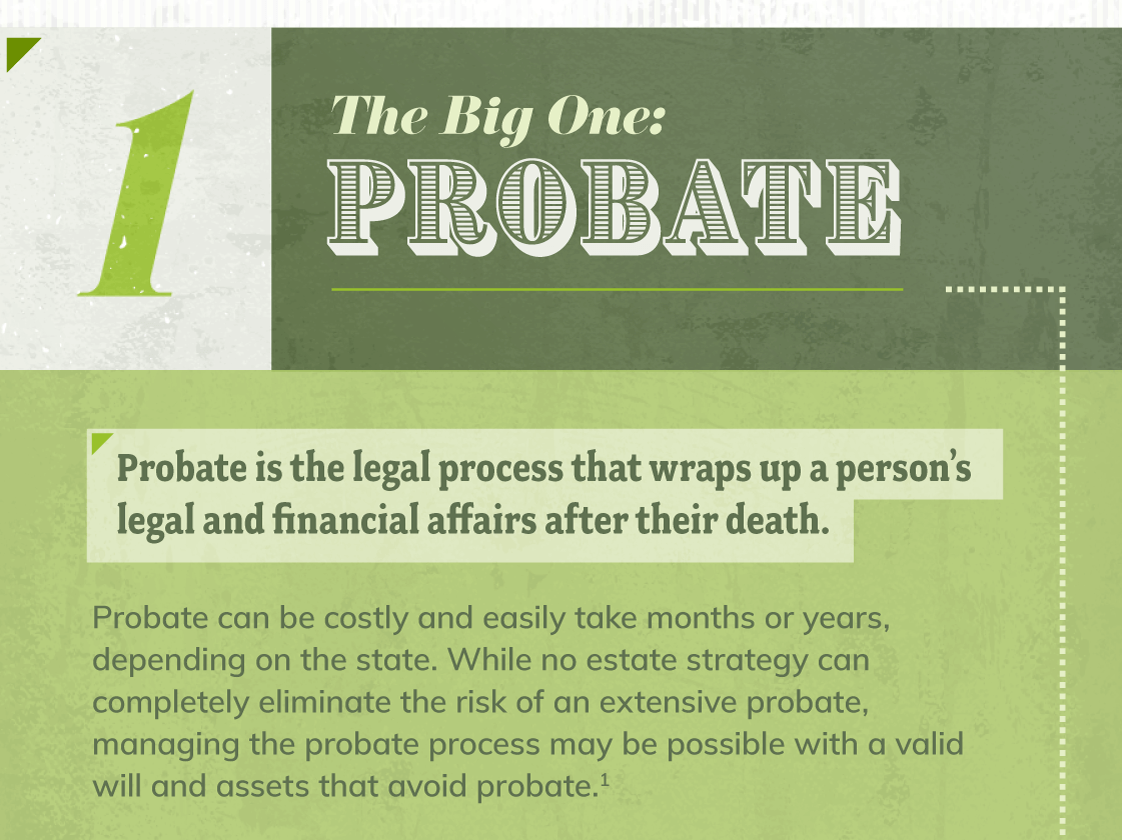
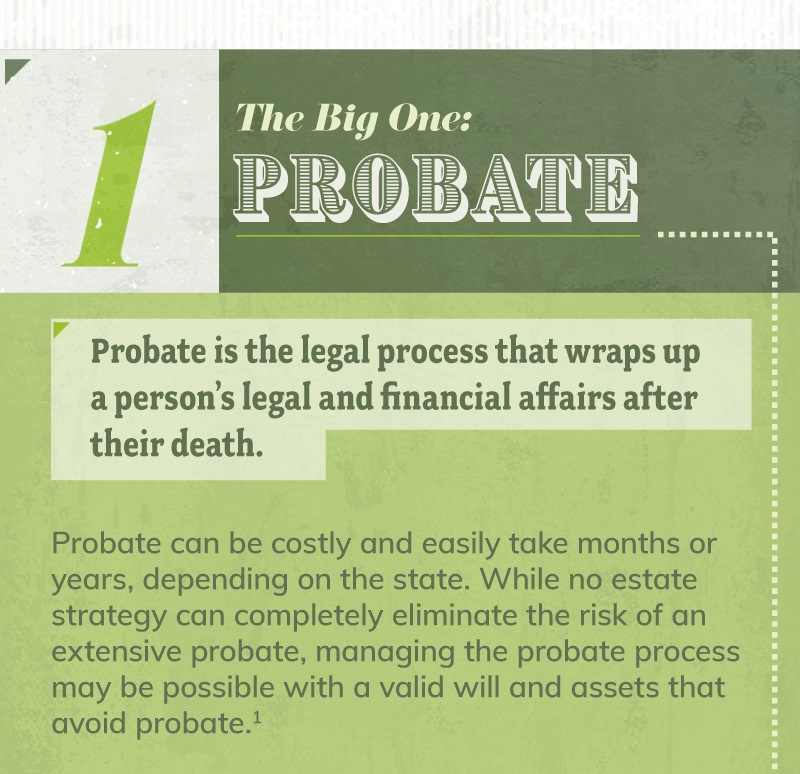
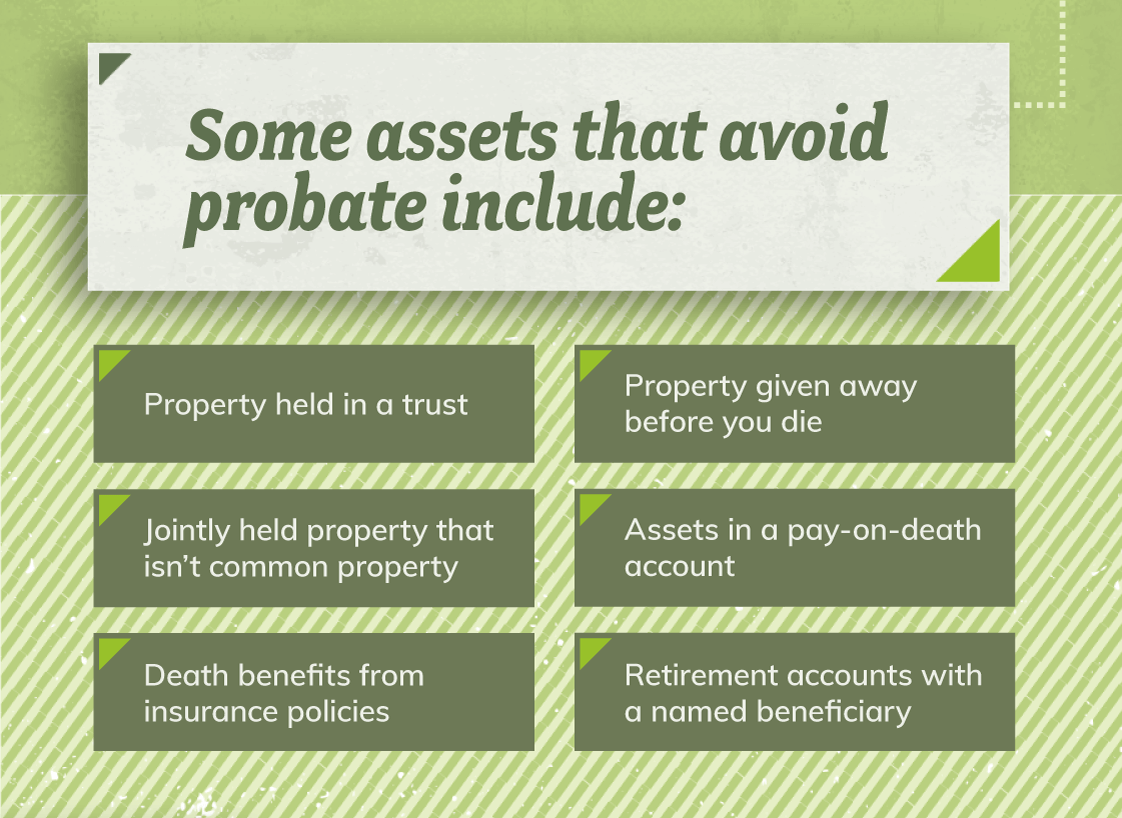
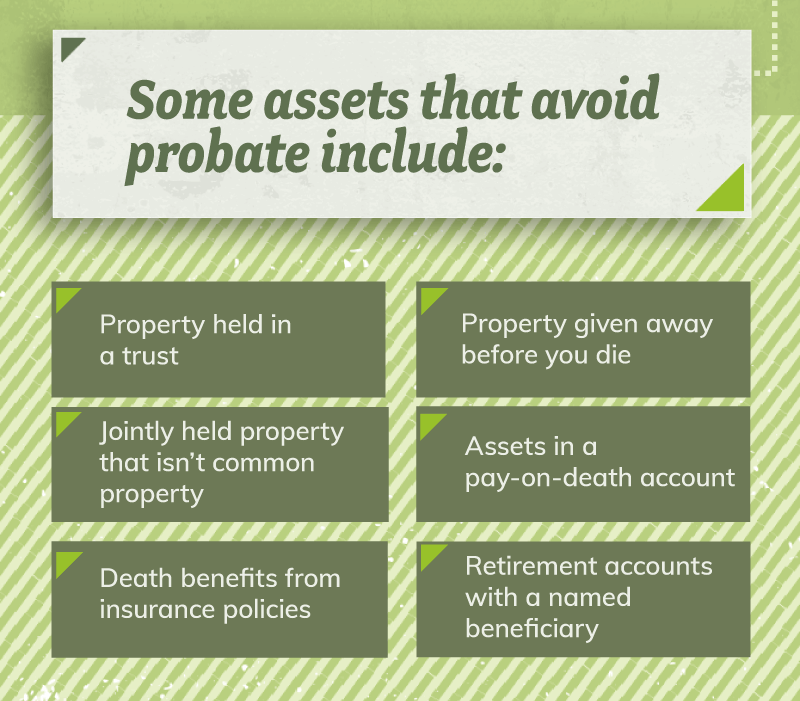
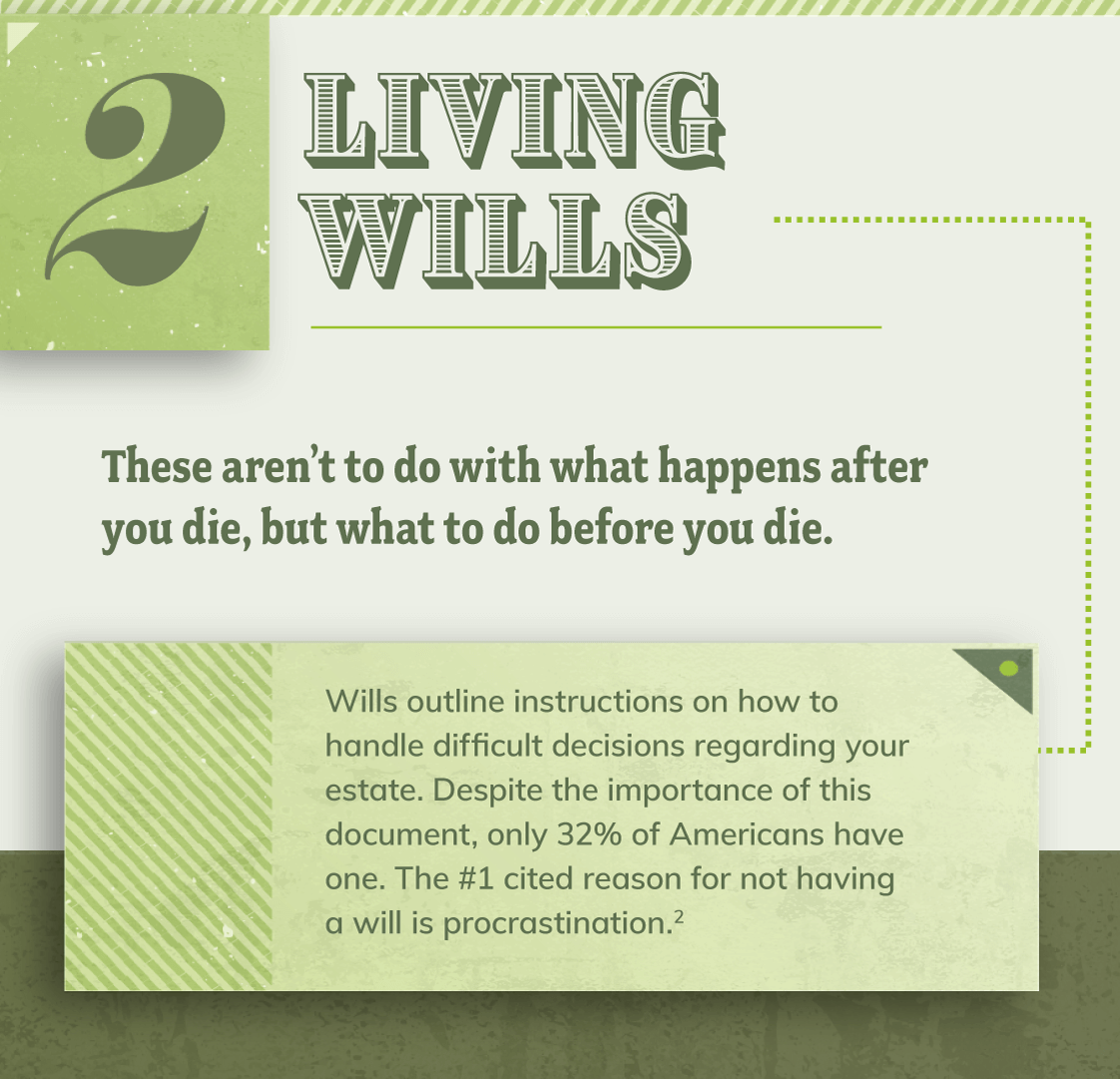
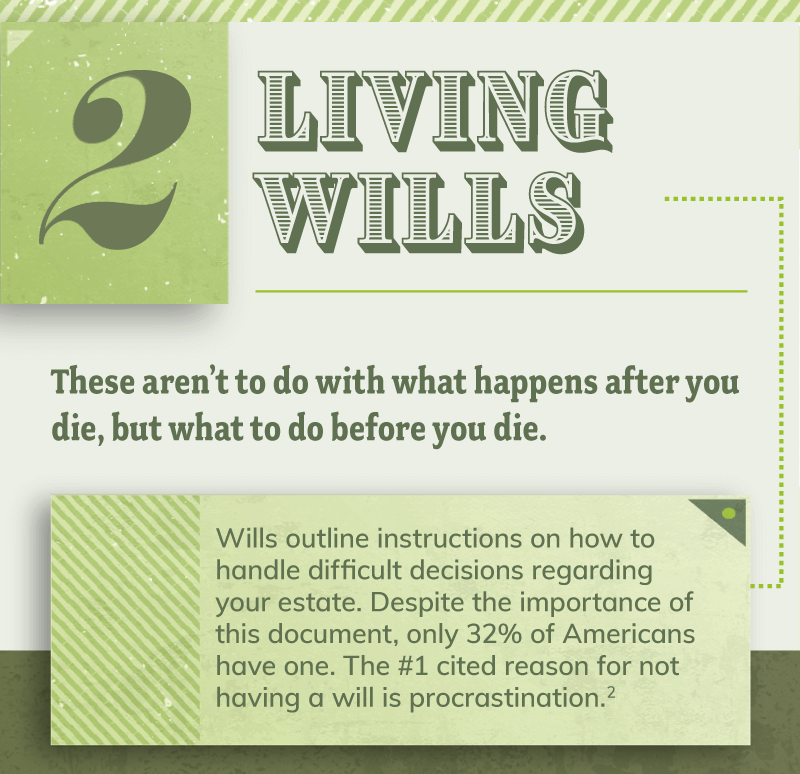
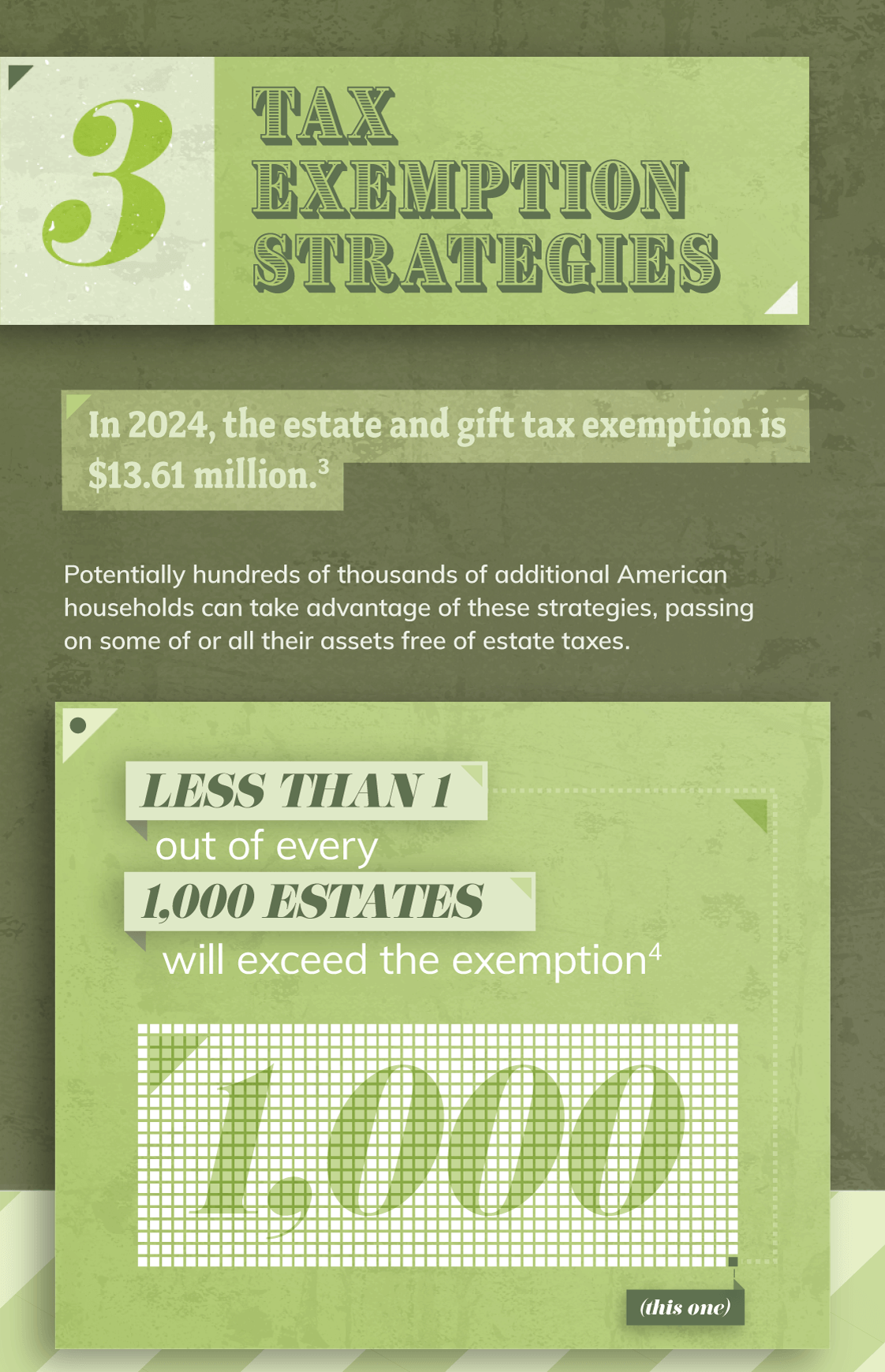
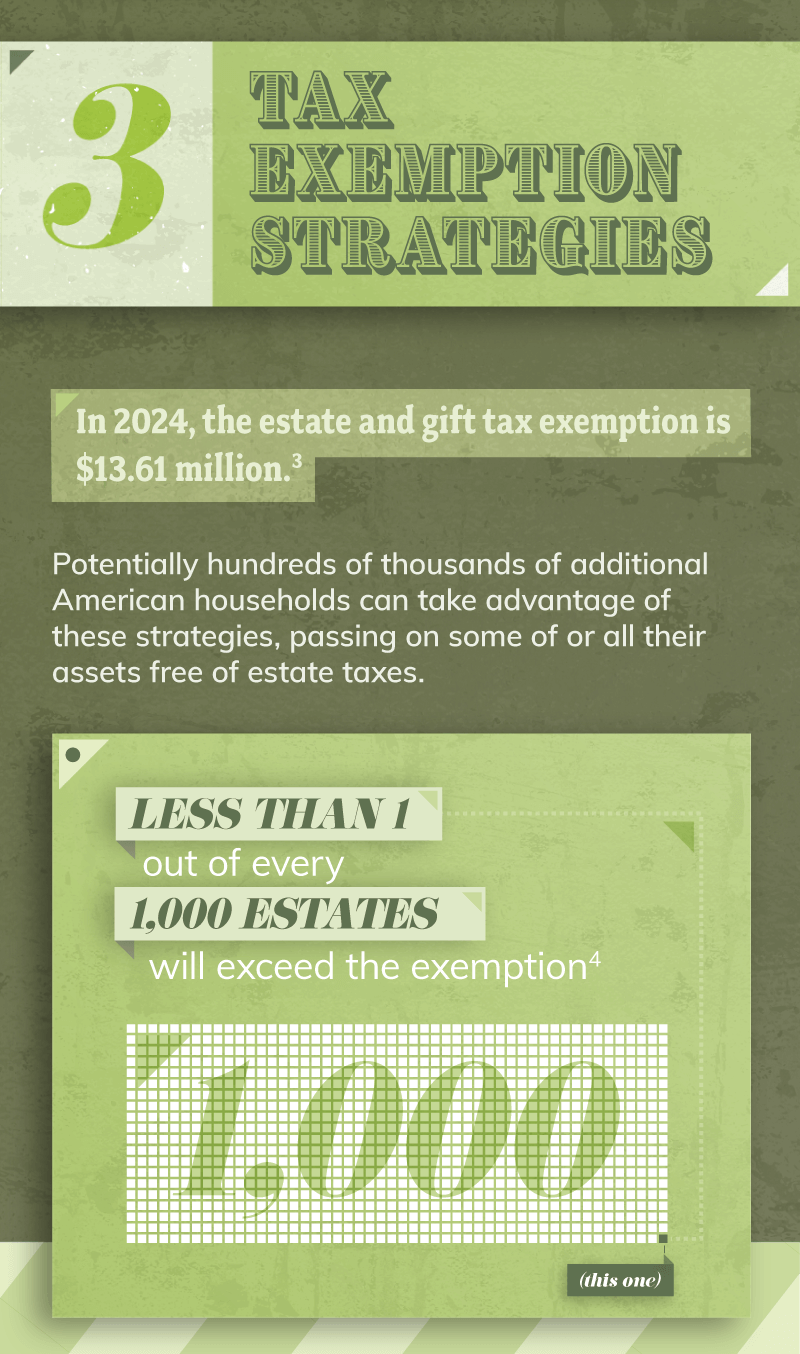
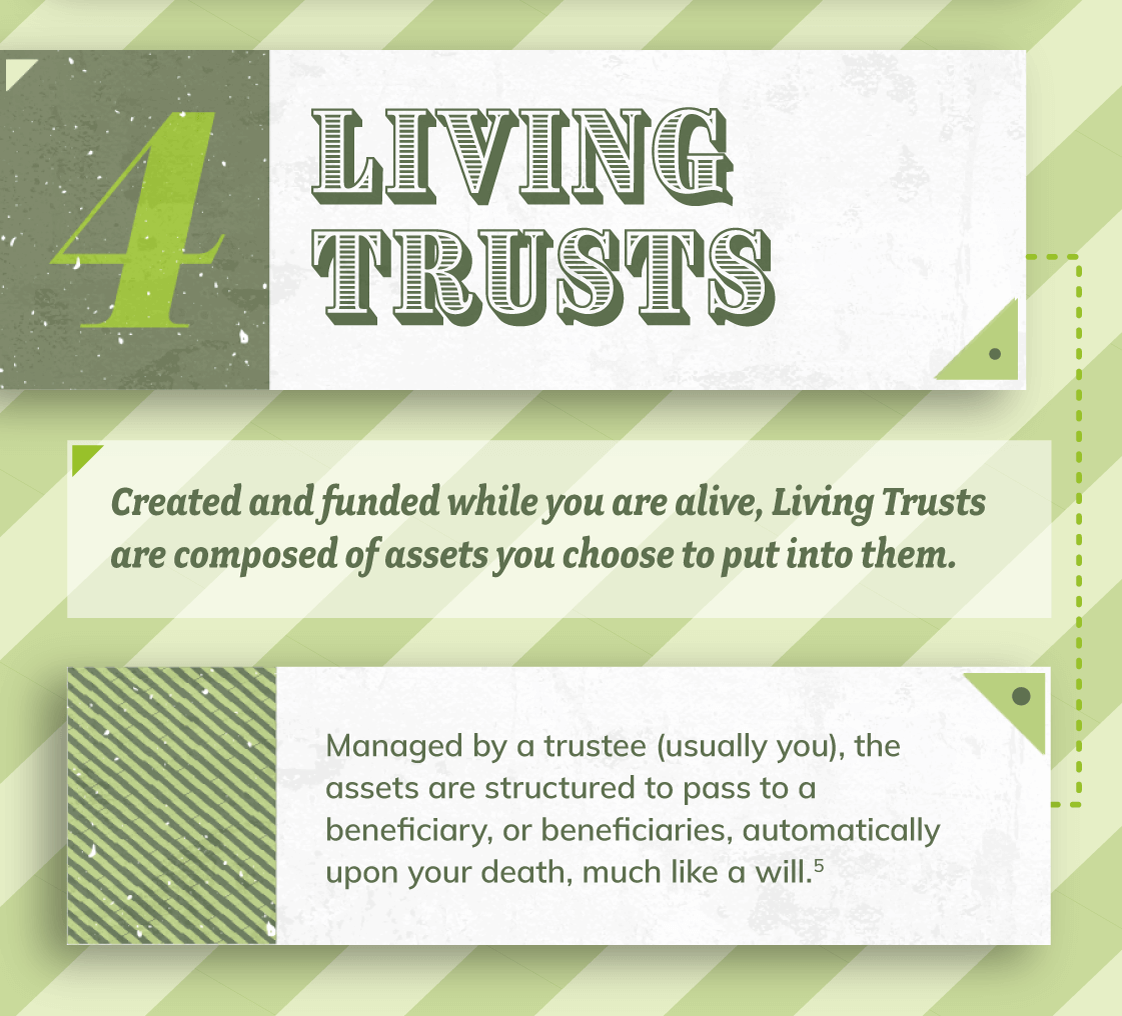
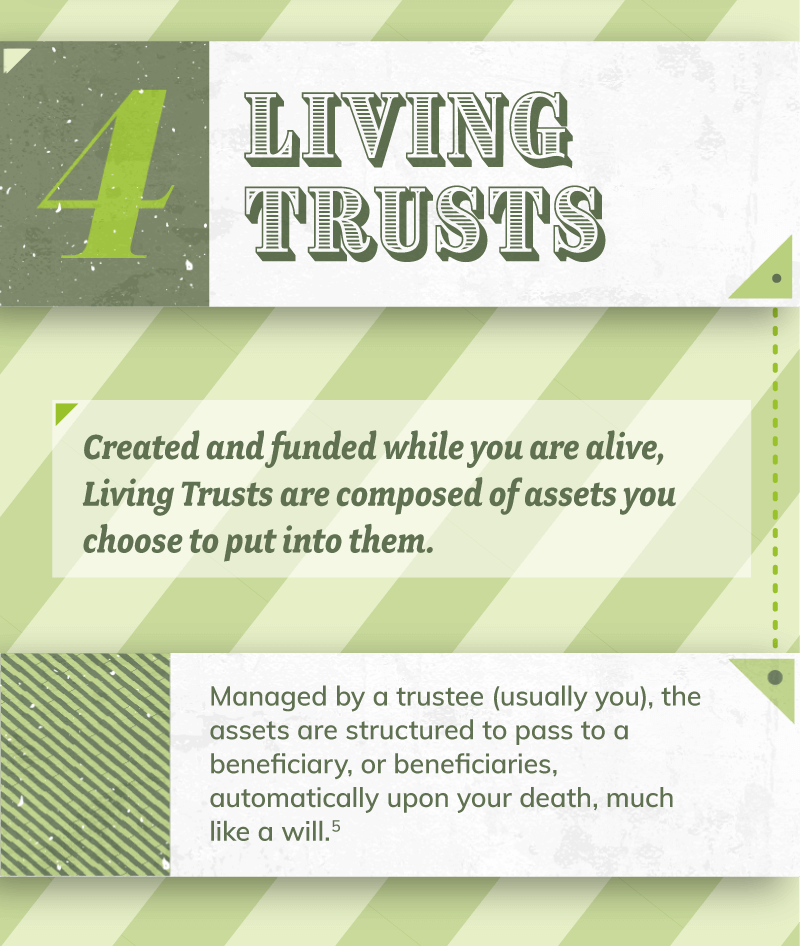
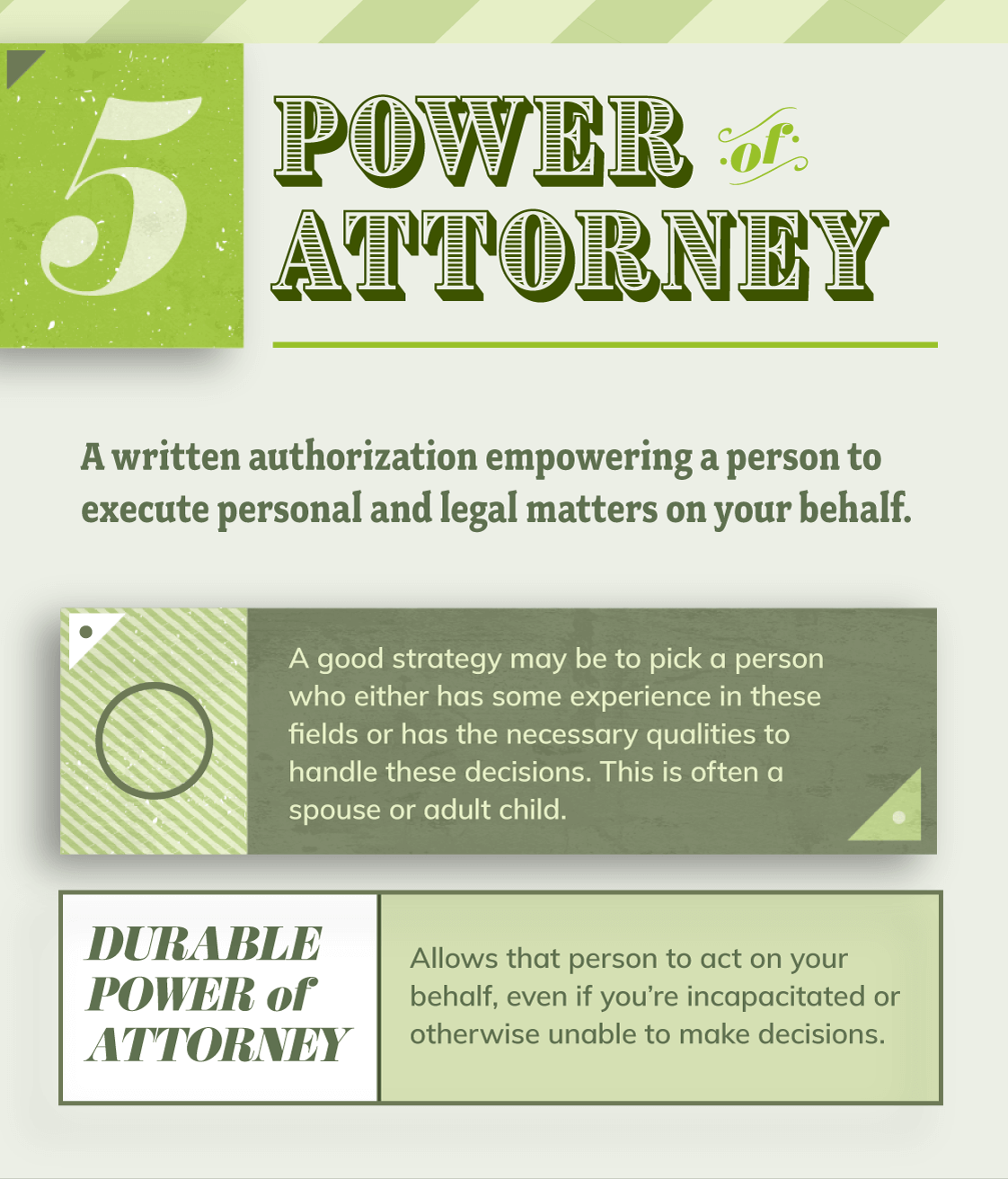
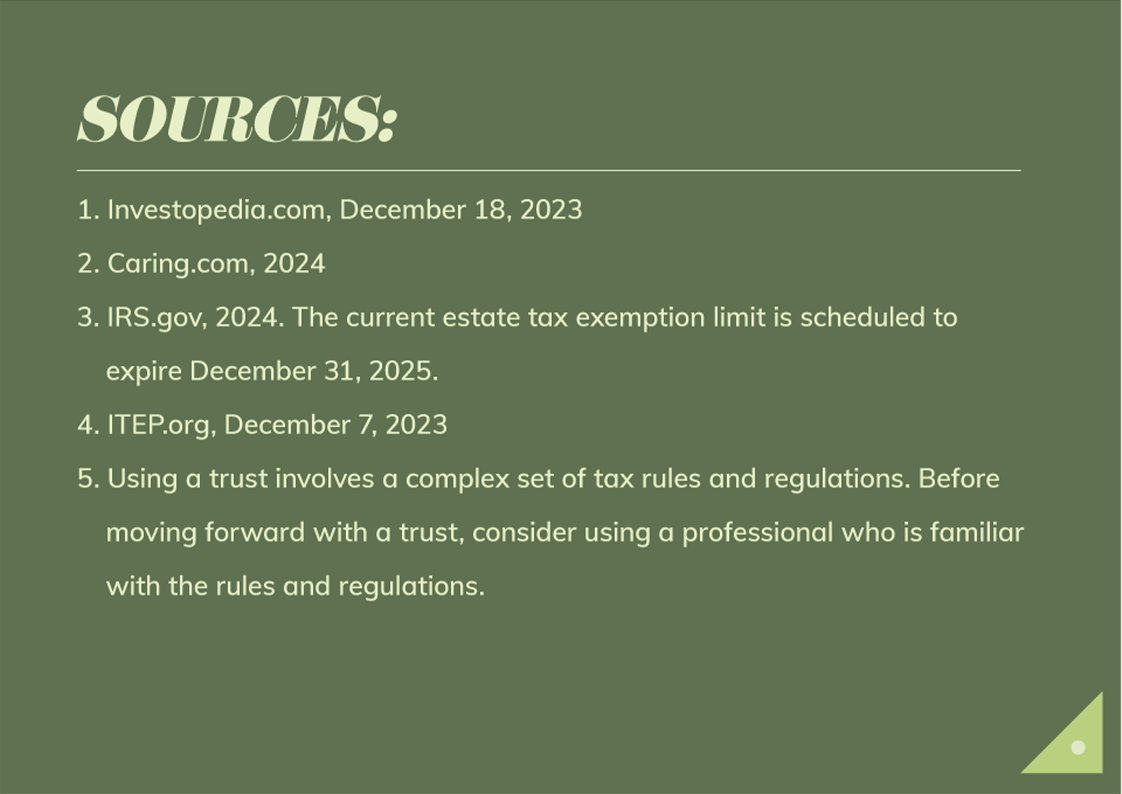
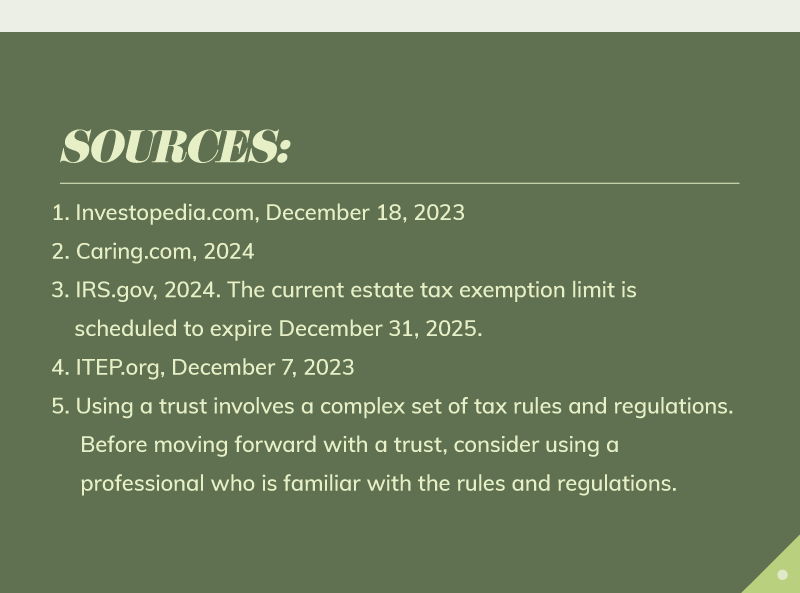
This is an Estate Strategy educational infographic with five numbered sections on a green background.This is an Estate Strategy educational infographic with five numbered sections on a green background.Section one covers Probate, and states that Probate is the legal process that wraps up a person’s legal and financial affairs after their death. Probate can be costly and easily take months or years, depending on the state. While no estate strategy can completely eliminate the risk of an extensive probate, managing the probate process may be possible with a valid will and assets that avoid probate.Section one covers Probate, and states that Probate is the legal process that wraps up a person’s legal and financial affairs after their death. Probate can be costly and easily take months or years, depending on the state. While no estate strategy can completely eliminate the risk of an extensive probate, managing the probate process may be possible with a valid will and assets that avoid probate.This section includes a list of assets that avoid probate, such as property held in a trust, Jointly held property that isn’t common property, Death benefits from insurance policies, Property given away before you die, Assets in a pay-on-death account, and Retirement accounts with a named beneficiary.This section includes a list of assets that avoid probate, such as property held in a trust, Jointly held property that isn’t common property, Death benefits from insurance policies, Property given away before you die, Assets in a pay-on-death account, and Retirement accounts with a named beneficiary.Section two explains Living Wills. A Living Will outlines instructions on how to handle difficult decisions regarding your estate. Despite the importance of this document, only 32% of Americans have one. The number one cited reason for not having a will is procrastination.Section two explains Living Wills. A Living Will outlines instructions on how to handle difficult decisions regarding your estate. Despite the importance of this document, only 32% of Americans have one. The number one cited reason for not having a will is procrastination.Section three discusses Tax Exemption Strategies, noting that in 2024, the estate and gift tax exemption is 13.61 million dollars. Potentially hundreds of thousands of additional American households can take advantage of these strategies, passing on some of or all their assets free of estate taxes. Less than 1out of every 1,000 estates will exceed the exemption.  Section three discusses Tax Exemption Strategies, noting that in 2024, the estate and gift tax exemption is 13.61 million dollars. Potentially hundreds of thousands of additional American households can take advantage of these strategies, passing on some of or all their assets free of estate taxes. Less than 1out of every 1,000 estates will exceed the exemption. Section four covers Living Trusts. These trusts are managed by a trustee and can help reduce estate taxes. Created and funded while you are alive, Living Trusts are composed of assets you choose to put into them. Managed by a trustee (usually you), the assets are structured to pass to a beneficiary, or beneficiaries, automatically upon your death, much like a will.Section four covers Living Trusts. These trusts are managed by a trustee and can help reduce estate taxes. Created and funded while you are alive, Living Trusts are composed of assets you choose to put into them. Managed by a trustee (usually you), the assets are structured to pass to a beneficiary, or beneficiaries, automatically upon your death, much like a will.Section five explains Power of Attorney, specifically durable power of attorney documents. These function as a written authorization empowering a person to execute personal and legal matters on your behalf. A good strategy may be to pick a person who either has some experience in these fields or has the necessary qualities to handle these decisions. This is often a spouse or adult child.Section five explains Power of Attorney, specifically durable power of attorney documents. These function as a written authorization empowering a person to execute personal and legal matters on your behalf. A good strategy may be to pick a person who either has some experience in these fields or has the necessary qualities to handle these decisions. This is often a spouse or adult child.The final portion lists the sources used in the creation of this infographic.The final portion lists the sources used in the creation of this infographic.